 In his post-synodal apostolic exhortation Pastores Dabo Vobis, Pope Saint John Paul II reminded us that “the whole work of formation would be deprived of its necessary foundation if it lacked a suitable human formation” (43). While careful attention is often devoted to the spiritual, intellectual, and pastoral dimensions of a man’s preparation for the Permanent Diaconate, the foundational human dimension can at times be presumed rather than intentionally cultivated. Because many candidates are already established in marriage, family life, and profession, there can be an implicit assumption that they arrive ‘fully formed.’ Yet even a brief reflection on the call of Abraham in the Book of Genesis serves as a sober reminder: there is no expiration date on growth, newness, and ongoing transformation.
Drawing upon key formation documents such as Pastores Dabo Vobis, the Program of Priestly Formation, and especially the National Directory for the Formation, Ministry, and Life of Permanent Deacons in the United States, the program translates these principles into a curriculum organized around four primary areas of growth:
- Identity in Christ
- Affective Maturity
- Interior Freedom
- Healthy Capacity for Relationship
The program unfolds through a deliberate formative process. Each content area is introduced through structured presentations that provide theological grounding and psychological insight. These presentations are accompanied by guided integrative exercises designed to assist candidates in reflecting on the material through the lens of their own history, relationships, and experiences. Recognizing that formation does not occur in isolation, dioceses are equipped with facilitator training and guided prompts to foster structured cohort debriefs. These conversations provide space for candidates to consider the insights, questions, and areas of growth stirred by the material - moving the content beyond mere information towards authentic integration.
Ultimately, Wholeness to Holiness: Catholic Human Formation seeks to serve candidates in a twofold manner: (1) to foster self-awareness and greater intentionality within their existing vocations — as husbands, fathers, colleagues, and members of their communities (2) to prepare candidates to embrace more fully their emerging role of sacramentalized service, which often leads them into our world’s most vulnerable places — hospital rooms, nursing homes, and prisons among others.
Program Presenter & Developer
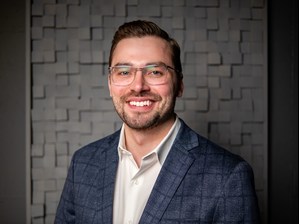 Adam Antone, MA, LMHC is a licensed mental health counselor and founder of Crux Counseling LLC, located on the north side of Indianapolis. Before pursuing the field of mental health, he spent four years in seminary formation discerning a call to the priesthood. While he ultimately chose a different path, Adam remained committed to bringing hope and mercy into the lives of others. He now works with individuals and married couples, addressing concerns such as depression, anxiety, OCD, addiction, grief, and trauma. In addition to his clinical work, Adam offers workshops and presentations to clergy formation programs and various parish groups on the intersection of faith and mental health and human formation.